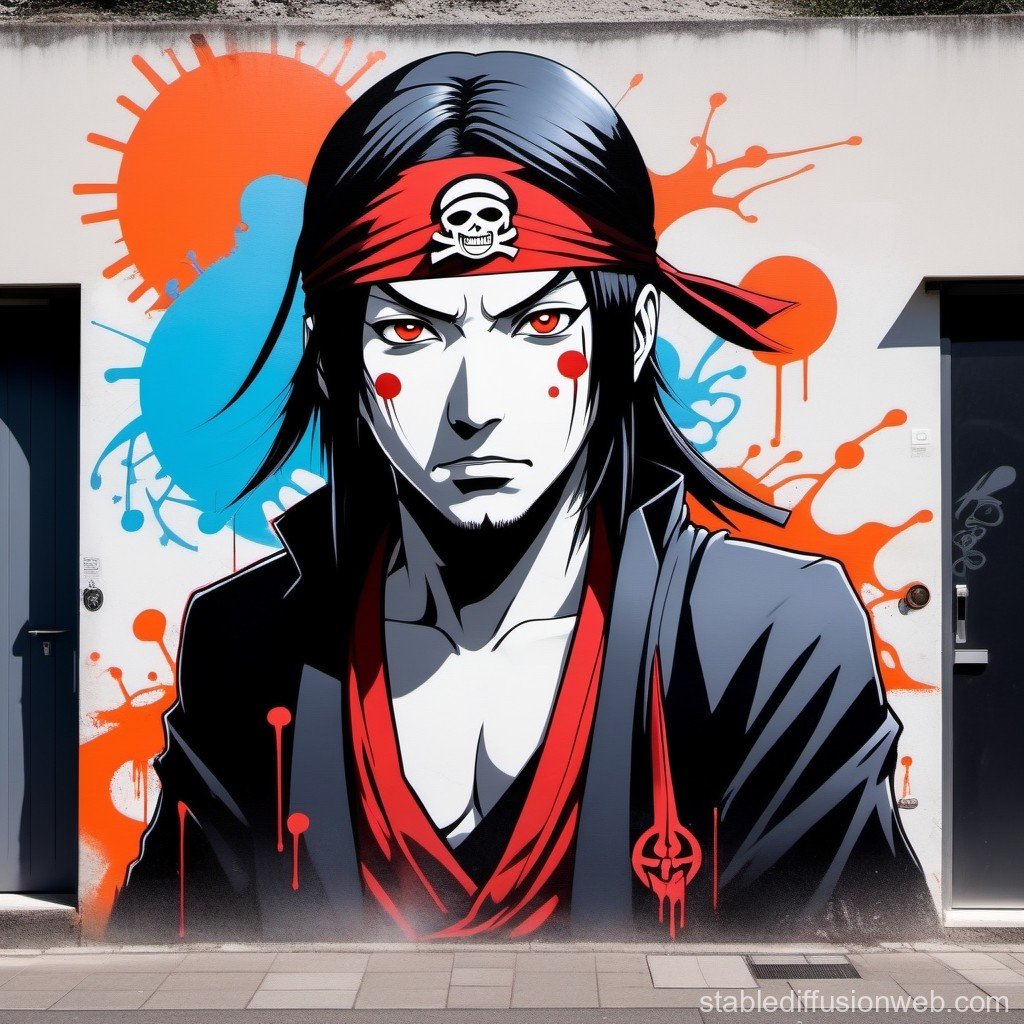
Itachi Uchiha. The name alone conjures images of piercing Sharingan eyes, a complex past, and an unwavering commitment to a cause greater than himself. In the landscape of anime, few characters have sparked as much debate, admiration, and heartbreak as this prodigal ninja from Naruto. He redefined what it means to be an anti-hero, masterfully navigating shades of gray in a world often painted in stark black and white. But what if a character of such intricate moral fiber were to exist in the explosive, power-level-driven universe of Dragon Ball Z? How would his unique brand of anti-heroism, his strategic genius, and his ultimate sacrifices translate?
While Itachi Uchiha is unequivocally a product of Masashi Kishimoto's Naruto, his impact on the anti-hero archetype transcends his own series. Understanding Itachi isn't just about his story; it's about appreciating a character who fundamentally shifted perceptions of heroism and villainy, creating a blueprint that resonates across all anime genres, including the action-packed world of Dragon Ball Z.
The Unforgettable Anti-Hero: Why Itachi Stands Apart
In anime, the anti-hero is a beloved trope. We see figures like Dragon Ball Z's own Prince Vegeta, who begins as a ruthless conqueror only to embark on a long, arduous path toward redemption. Then there are those like Cowboy Bebop's Spike Spiegel or Code Geass's Lelouch, driven by circumstance to commit morally ambiguous acts for a greater, often tragic, cause. Itachi Uchiha fits this latter category, yet he stands distinct. Unlike many, he lacked aggression, egotism, or self-centeredness, instead driven by a profound, almost saintly, desire for peace. His story is a masterclass in moral ambiguity, forcing audiences to question the very nature of good and evil. To truly grasp the depth of his impact, we encourage a deep dive into what makes Itachi Uchiha the ultimate anti-hero.
Born into a world ravaged by war, Itachi witnessed suffering firsthand at a tender age. This profound experience forged in him an unshakeable pacifist ideal, compelling him to seek peace above all else. His prodigious talent was evident early on; he became a Chūnin by age 10 and joined the elite Anbu Black Ops at 13, setting him on a path of immense responsibility far too soon.
The Burden of Choice: The Uchiha Clan Massacre
The defining, and most horrifying, act of Itachi's life was the Uchiha Clan Massacre, which he committed when he was merely 13. Faced with the imminent threat of an Uchiha coup d'état that would plunge Konoha into a devastating civil war, Itachi found himself in an impossible position. Manipulated by the cunning Danzo Shimura, who systematically eliminated other options and his mentor Shisui, Itachi was left with a horrifying choice: eradicate his entire clan to prevent a larger war or watch his village crumble.
He chose the "lesser of two evils," agreeing to the gruesome task under one strict condition: his younger brother, Sasuke, must be spared. While the act of taking countless innocent lives is undeniably indefensible, Itachi's ultimate motivation was the selfless protection of Konoha and the avoidance of a catastrophic conflict. His sacrifice was absolute, his loyalty unwavering, and the weight of his decision unimaginable. For a full understanding, exploring unraveling the complex motivations behind the Uchiha Clan Massacre is essential.
Brotherly Bonds and Brutal Love: Itachi and Sasuke
Central to Itachi's character and his elaborate plan for atonement was his relationship with his younger brother, Sasuke. Itachi intentionally allowed Sasuke to witness the massacre and repeatedly subjected him to traumatic illusions via Tsukuyomi. This brutal, calculated cruelty was designed not out of malice, but to ignite a furious hatred within Sasuke, motivating him to grow powerful enough to one day kill Itachi. Through this, Itachi sought to restore the Uchiha clan's honor, albeit in a twisted way, and to atone for his "irredeemable crime" by dying at his brother's hand.
Itachi willingly walked towards his fated demise, viewing it as the only path to peace for Sasuke. His final, poignant gesture – a gentle poke on Sasuke's forehead – was a heartbreaking echo of their childhood, symbolizing a lifetime of hidden affection and unspoken love that transcended the horrors he inflicted. To delve deeper into this emotional core of his story, consider reading about the profound tragedy of Itachi and Sasuke's brotherly bond.
Mastering Shadows and Subtlety: Itachi's Power
Beyond his unparalleled intellect and benevolent beliefs, Itachi possessed monstrous power. His arsenal included the potent genjutsu Tsukuyomi, capable of warping an opponent's perception of time; the inextinguishable black flames of Amaterasu, burning anything in their path; and the virtually invincible Susanoo, a gigantic, chakra-based humanoid avatar. A master strategist, Itachi often favored genjutsu in combat, seeking to incapacitate rather than kill, a reflection of his inherent pacifistic nature. These traits — his humility, intellect, and preference for non-lethal solutions — were more aligned with a traditional hero, further emphasizing the tragedy of the circumstances that forced his hand. For an in-depth exploration, check out a closer look at Itachi's formidable abilities, especially his mastery of genjutsu.
A Hypothetical Glimpse: Itachi Uchiha in Dragon Ball Z
Now, let's address the intriguing thought experiment: how would Itachi Uchiha operate in the Dragon Ball Z universe? The power scaling is vastly different; where chakra is foundational in Naruto, ki reigns supreme in Dragon Ball Z, allowing for planet-shattering attacks. Itachi's physical strength, while elite in his own world, wouldn't compare to a Super Saiyan.
However, Itachi's genius lies not in raw power, but in strategy, illusion, and debilitating techniques. His genjutsu, particularly Tsukuyomi, could bypass even immense power by attacking the mind directly. Imagine a foe like Frieza or Cell trapped in an illusion where time passes differently, or their senses are completely manipulated. While they could likely break free eventually with sheer power, Itachi's mind games could create crucial openings, disrupt powerful attacks, or even turn allies against each other if applied effectively. He would be the ultimate tactician, a chess master in a world of brawlers. If you're curious about such a crossover, we've dedicated a pillar to imagining Itachi Uchiha's hypothetical power levels and combat style in the Dragon Ball Z universe.
This brings us to a compelling hypothetical: a thrilling hypothetical clash between Itachi Uchiha and Dragon Ball Z's Vegeta. Both are iconic anti-heroes, but with vastly different approaches. Vegeta relies on brute force, pride, and unwavering determination to surpass limits. Itachi, conversely, uses deception, psychological warfare, and overwhelming intellectual superiority. Their battle wouldn't be about who has more raw power, but who can outsmart and outmaneuver the other, a true clash of philosophies.
From Post-Mortem Redemption to Enduring Legacy
The full, heartbreaking truth of Itachi's sacrifice, including Danzo's manipulations and the Third Hokage's failure to intervene, was only revealed after his death, first by Obito and later by Itachi himself during the Fourth Great Ninja War. This post-mortem "redemption arc" saw him reanimated and playing a pivotal role in confronting Kabuto, the mastermind behind the reanimation jutsu, and helping to free countless trapped souls.
Most importantly, he shared a final, clarifying conversation with Sasuke, revealing the complete story of his life, his love, and his sacrifices. In this poignant moment, he made peace with his brother, urging him to "walk his path" and forge his own destiny, free from the burdens of the past. Itachi's life, though tragic, is a profound testament to sacrifice, love, and resilience, teaching us that the greatest sacrifices often go unseen and unappreciated until it's too late. To truly appreciate his full story, explore Itachi's powerful journey of redemption and enduring legacy. His complex narrative and unwavering commitment to peace have made him an enduring and influential figure, reshaping perceptions of anti-heroes in anime, and you can further discover the broader impact Itachi had on shaping the anime anti-hero trope.
Itachi Uchiha is remembered not as a villain, but as a tragic hero, a victim of unjust systems who was compelled to commit unthinkable acts to save what mattered most: his village and his brother. His legacy continues to inspire discussions about morality, duty, and the true meaning of self-sacrifice, reminding us that true strength often lies not in power, but in the choices made under the heaviest burdens.